Agile Leadership in High-Stakes Environments: Lessons from the Sundance Film Festival
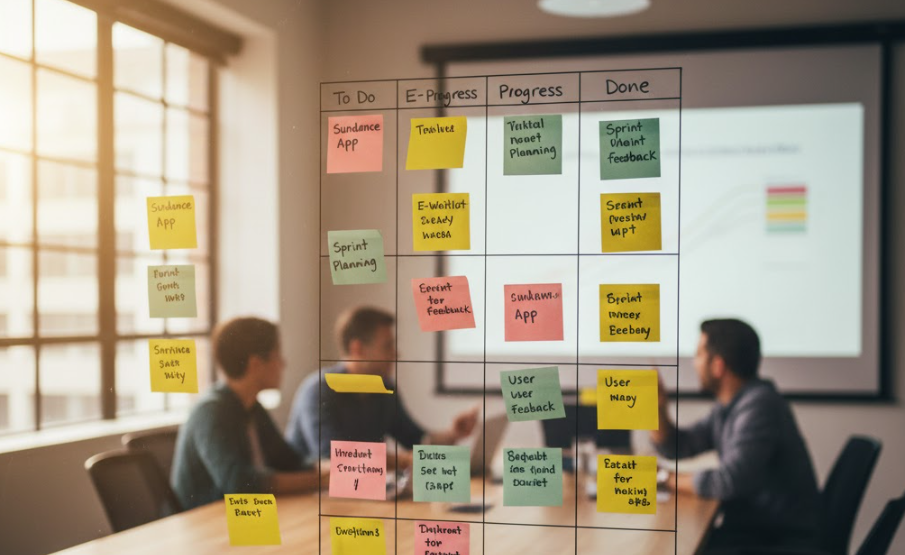
Managing product development for a global brand isn’t just about meeting deadlines; it’s about managing chaos with a structured framework. Having served as a Senior Product Development Manager for the Sundance Institute, I’ve had to navigate the intense pressure of delivering digital solutions for the Sundance Film Festival.
The Reality of High-Pressure Product Launches
When you are responsible for products like the Sundance App and e-Wait List, there is no room for error. Thousands of users are hitting your servers simultaneously, and every second of downtime is a failure in user experience. In these environments, a traditional “Waterfall” approach is a recipe for disaster. This is where Agile methodology and the role of a Certified Scrum Master become indispensable.
Applying Scrum to Complex Ecosystems
Agile isn’t just a buzzword; it’s a survival mechanism for technical software products. At the Sundance Institute, I managed engineering teams by focusing on iterative delivery and constant feedback loops.
The Role of the Scrum Master
As a Scrum Master certified by the Scrum Alliance, my focus is on removing blockers. In a high-stakes environment, the engineering team shouldn’t be worried about shifting requirements or stakeholder noise. They need to focus on the sprint goals. By using Jira as our source of truth, we ensured that every ticket was aligned with the festival’s overarching goals.
Balancing Innovation and Maintenance
One of the hardest tasks for a Product Development Manager is resource allocation. You have to maintain legacy systems while innovating for “what’s next.” During my time at iCentris and Sundance, I utilized a “Lean Startup” mentality within the enterprise structure to allow for rapid prototyping without compromising the stability of core products.
The JTBD Framework: Understanding the Festival-Goer
To build a successful app for the Sundance Film Festival, we had to understand the “job” the user was hiring the app to do. Through JTBD (Jobs to be Done) research, we realized that users weren’t just looking for a schedule; they were looking for access and efficiency in a high-stress environment.
- The Problem: Waiting in physical lines in the cold.
- The Solution: The e-Wait List.
- The Result: A vastly improved user flow that prioritized the customer’s physical comfort through a digital solution.
Technical Oversight and UX Design
My background as a Web Developer (working with Angular, Node, and SQL) allows me to bridge the gap between technical frontend requirements and UX design vision. When the product leader understands the underlying architecture, the roadmaps become more realistic. We can plan for technical debt, scalability, and security from day one, rather than as an afterthought.
Driving Strategy and Vision
Product leadership is about more than just managing a team; it’s about defining a vision. Whether I was working at a lean startup like SquareHook or a large organization like Dominion Enterprises, the goal was always the same: demonstrate success through the delivery of data-driven software solutions.
Final Thoughts: The Future of Product Development
Agile leadership requires a blend of empathy, technical knowledge, and a relentless focus on data. By staying committed to the principles of Scrum and the JTBD methodology, we can build products that aren’t just functional, but essential to the user’s life.