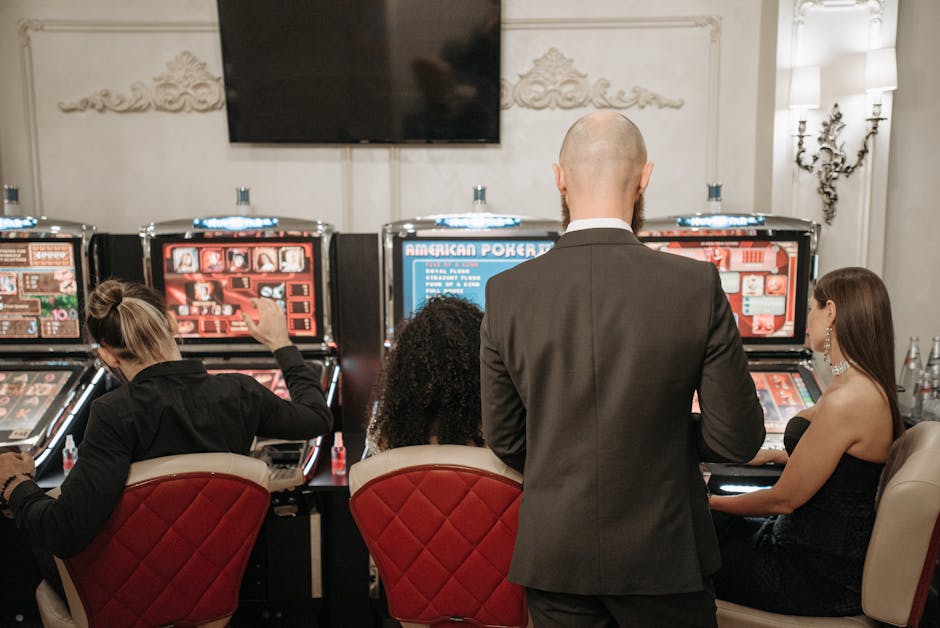
Why Slot Games Feel So Addictive: Unveiling the Secrets Behind a Spinning Gamble
In the bustling world of online casinos, slot games stand as one of the most popular attractions. With their vibrant graphics, exciting themes, and enticing sound effects, they captivate millions around the globe. But what exactly makes a slot game feel addictive to play? This article dives deep into the psychology and design elements that keep players coming back for more.
The Allure of Instant Gratification
One of the primary reasons slots are so engaging is the promise of instant gratification. Each spin of the reels offers the potential for immediate rewards, ranging from small payouts to massive jackpots. This quick and frequent feedback provides a rush of dopamine, the brain's "feel-good" chemical, which reinforces the desire to continue playing. The more players spin, the more they chase that rewarding feeling, making it a cycle that's hard to resist.
Engaging Themes and Storylines
Modern slot games far surpass the traditional one-armed bandits in terms of design and thematic depth. Today's slots often feature intricate storylines and themes, from ancient mythology to futuristic sci-fi. These immersive worlds attract players and keep them invested. The allure of an adventure narrative or a beloved character can make players feel emotionally connected, encouraging prolonged play to see how the story unfolds.
Rewarding Soundscapes
Slot games use sound design to capitalize on the player's sensory experience. The jingle of spinning reels, celebratory tunes on a win, and even the satisfying click of the "spin" button all contribute to an aurally engaging experience. These sounds, meticulously calibrated, elevate excitement and satisfaction, making players more likely to continue their session.
The Gambler’s Fallacy
A common cognitive bias that slot players encounter is the gambler’s fallacy—the belief that past events can influence future outcomes. This fallacy can push players to continue playing slots even after significant losses, under the assumption that a win is just around the corner. The random nature of slot outcomes and the player's persistent hope for a winning streak is a potent mix that encourages continuous play.
Random Rewards and the “Near Miss” Effect
The concept of random rewards is vital in making slot games addictive. Players never know when a win is coming, creating a compelling urge to try just one more time. Moreover, the "near miss" effect, where symbols align just shy of a winning combination, can drive players to believe that a big win is imminent, further fuelling the cycle of play.
Social and Competitive Elements
Many online slot games now incorporate social and competitive features, such as leaderboards and shared jackpot pools. Players can engage with friends or strangers, either directly competing or working together to achieve common goals. This social component can enhance the sense of connection and competition, making the game feel more engaging and thus more addictive.
The Role of Accessibility
With digital advancements, slot games are more accessible than ever. Online platforms like Api77 offer players the convenience of playing anywhere at any time. This ease of access coupled with mobile compatibility ensures that the temptation to play is always within arm’s reach. With a few clicks or taps, players can engage in gameplay, which increases the likelihood of habitual participation.
Conclusion
Slot games are a masterclass in design, psychology, and technology, combining various elements that appeal to human instincts and emotions. From the joy of immediate rewards and engaging themes to the clever use of sound and social interaction, each aspect is crafted to enhance the player's experience. With continuous developments in the gaming domain, understanding these addictive elements is crucial for players to maintain a balanced and enjoyable gaming experience. Recognizing the factors at play can empower players to make informed decisions and embrace the entertainment aspect of slot games responsibly.