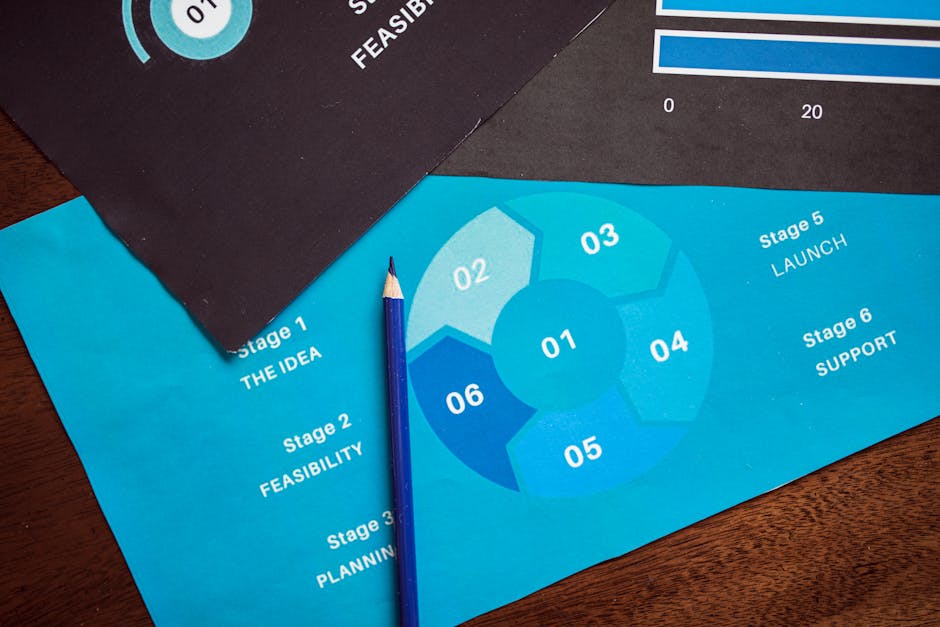
MVP Development: What It Is and How to Get It Right
In the fast-paced world of tech startups and product innovation, the MVP (Minimum Viable Product) development approach has emerged as a popular strategy. This technique allows businesses to test their product ideas quickly and cost-effectively, ensuring they meet market needs before committing to full-scale development.
Understanding the MVP Concept
An MVP focuses on developing a product with the minimum features necessary to satisfy early adopters and collect essential feedback. This approach helps entrepreneurs validate their business hypotheses without investing significant resources, reducing potential risks associated with product development.
Key Benefits of the MVP Approach
Building an MVP allows companies to enter the market faster, providing a competitive edge. It also facilitates customer engagement early on, enabling businesses to understand user preferences and make data-driven decisions for future iterations. Moreover, MVPs can attract potential investors by showcasing a functioning prototype.
Best Practices for MVP Development
Successful MVP development requires a clear understanding of target users and their primary needs. Prioritize core functionalities and maintain open communication channels with potential users for feedback. Iterative improvements based on this feedback can lead to a refined and successful product.
Conclusion
Embracing the MVP approach not only accelerates time-to-market but also fosters a user-centric product development process. By focusing on essential features and incorporating continuous feedback, businesses can minimize risks and pave the way for a thriving product journey.